The EV transition in Mexico is moving – even without the “perfect plan”

“The question is no longer if Mexico will electrify, but how fast it can get there.”

These were the words of a cautiously optimistic president of the Mexican EV Association (Electro Movilidad Asociación), Eugenio Grandio, at the end of a hectic week in late April in Mexico City.
The middle of April 2026 became a week in the name of electric transportation in Mexico City.
Mexican civil society organizations met with the Norwegian EV Association, together with government officials, industry actors and other stakeholders to share experiences, discuss opportunities and find ways to accelerate the EV transition for the 130 million sized population.

At the political level, momentum in Mexico is building.
A transition already underway
Mexico is expected to release its first National Electromobility Strategy (ENME) very soon. There are also important efforts to strengthen regulations that will push car producers and importers to deliver EVs to the Mexican consumers, and which will help implement the targets for the national strategy.
At the same time, the Ministry of Energy is developing a roadmap for charging infrastructure, mapping out both needs and policy directions to make sure new EV users get available and user-friendly charging for their new cars.

Together, these processes will play an important role in shaping how, and how fast, Mexico moves towards electrification.
At the same time, progress is slower than many would like.
Policy development has been ongoing for several years, and several actors point to a regulatory framework that remains fragmented and in need of modernization. There is ambition, but also uncertainty, and for many the pace of change remains a concern.


Familiar challenges, different realities
The days in April, was concluded with a congressional hearing, co-organised by the government and leading EV organizations in Mexico such as Iniciativa Climática de México (ICM). The hearing was part of a broader effort to bring stakeholders together.
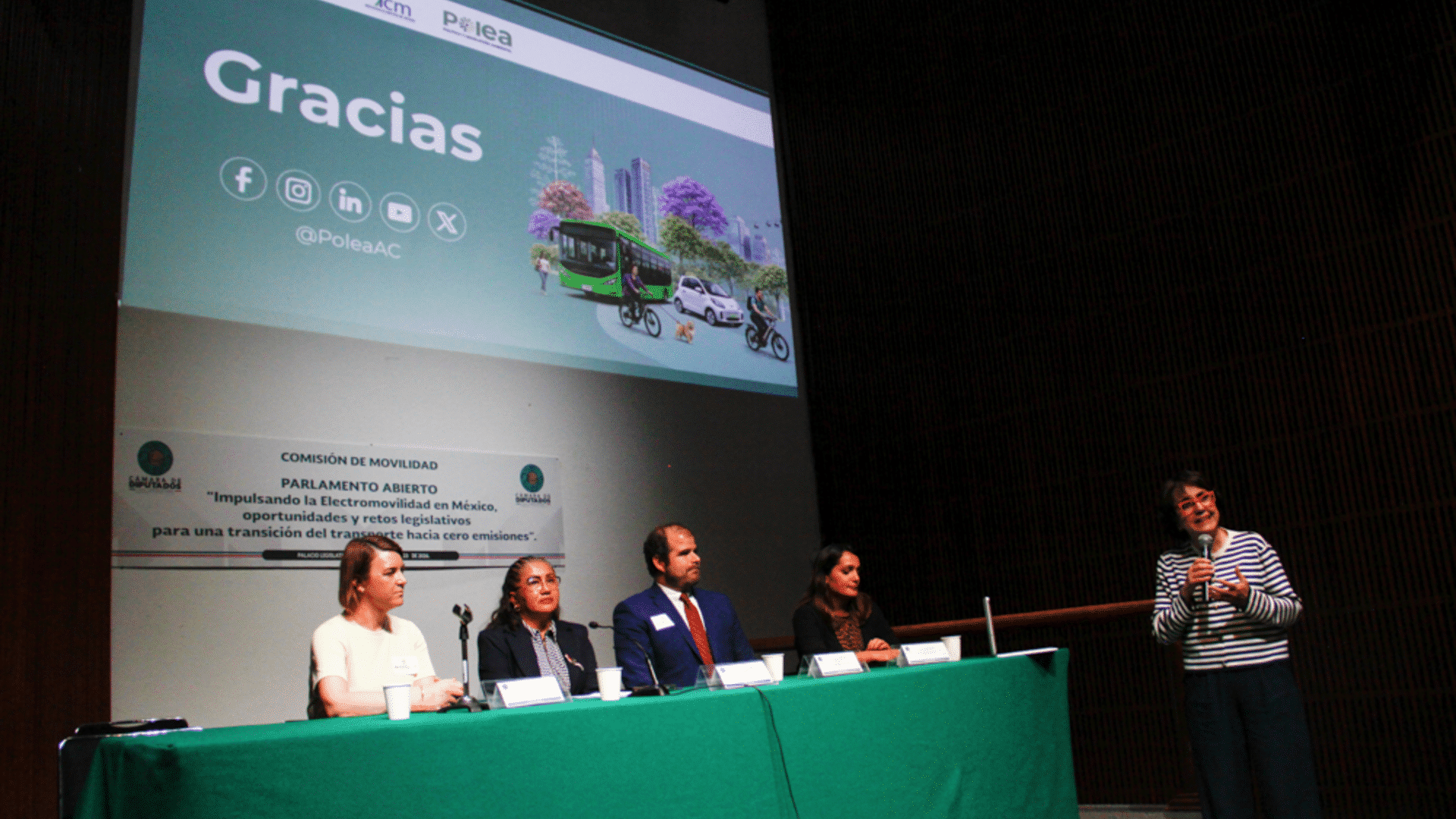
Discussions focused on legal reforms, economic instruments and incentives needed to accelerate the transition to zero-emission transport.
And a recurring point was urgency for Mexico to act now.
Andrés Flores, Director of Energy Policy at ICM, underlined that spaces for dialogue, such as the congressional hearing, are essential for developing the regulatory framework that will move the legislative agenda forward:
“It is crucial to establish concrete targets at both national and state levels to accelerate the transition towards clean, safe and affordable transport.”
“It didn´t happen overnight”
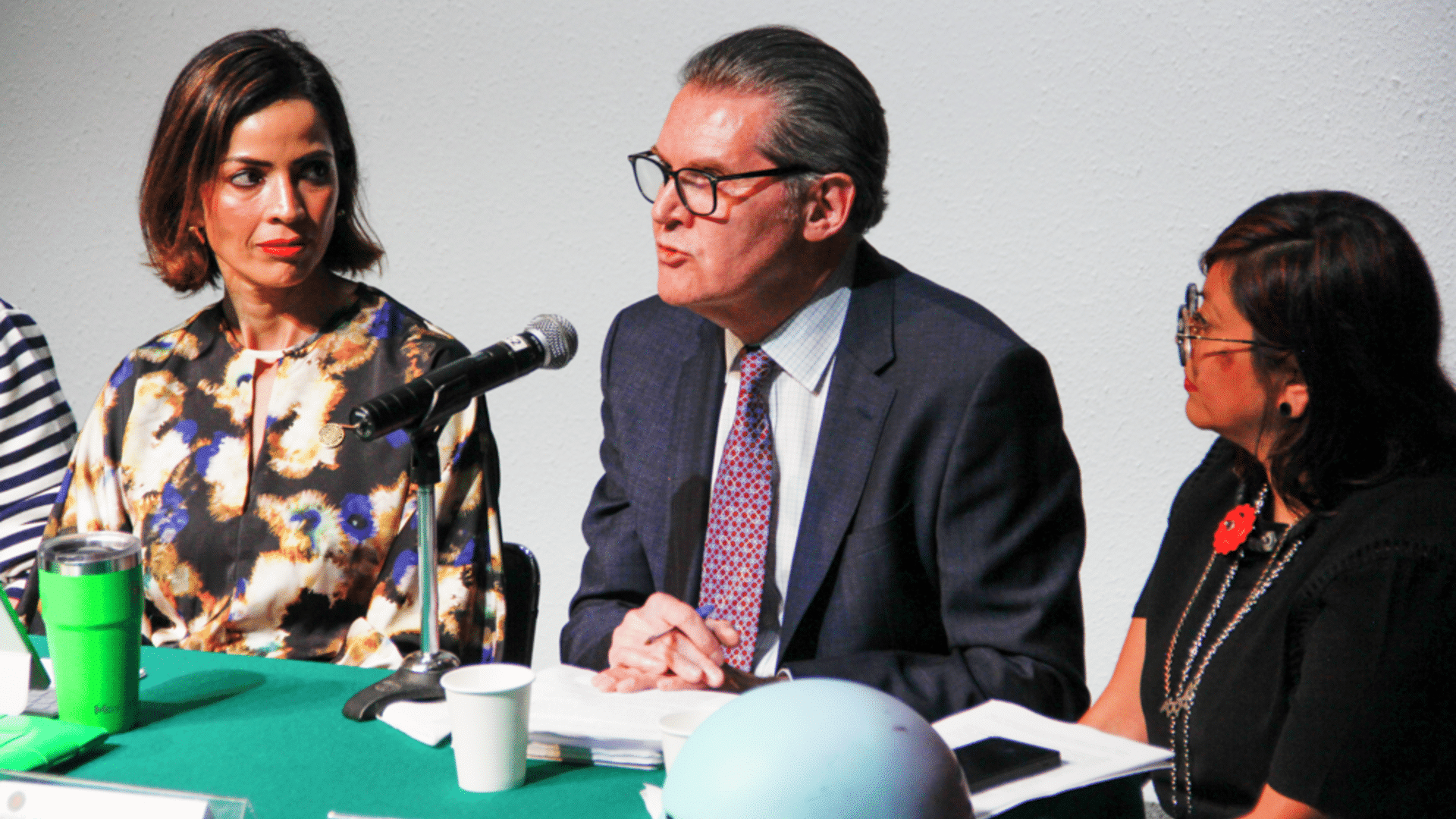
At the hearing, Secretary General of the Norwegian EV Association, Christina Bu, also attended. She shared the Norwegian story, and her message was simple:
“The transition to electric transport was not planned in detail from the beginning. It was built step by step, through long-term political commitment, regulated car sales, consistent incentives, and a willingness to act when technology and systems were not yet fully in place. It didn´t happen overnight”

In Norway, the EV market only started to take off several years after the first policies were introduced. A lot of the challenges Mexico faces today, especially around charging infrastructure, purchase prices and public acceptance, mirror those Norway faced in the early stages of the transition.
Today, electric vehicles make up around 3% of the Mexican car market, roughly where Norway was in 2012. But the coverage of charging infrastructure in Mexico is at a level the early movers in Norway back then, only could dream.
Experiences from Norway show that waiting for a “perfect plan” just creates an unnecessary delay. Instead, early action combined with learning and adjustment along the way, can help build momentum.
A growing movement
And in Mexico that momentum is already visible.
A week full of meetings with ministries, discussions with EV champions among the NGOs and visits to companies already going electric, just proves that the transition that is already underway.
Organisations such as Electro Movilidad Asociación (EMA), Iniciativa Climática de México (ICM), SUR Institute, and the International Council on Clean Transportation (ICCT) and others are playing a critical role connecting policymakers, industry and civil society while continuing to push for faster progress.
That progress was visible not only in conference rooms, but also in the streets of Mexico City, through public transport systems like Metrobus, EV rideshares, chatting with EV drivers and visiting local EV charging stations.

The visit to charging hubs such as VEMO, a Mexican company specializing in electric mobility solutions, showed the growing interest from consumers and the industry.
The government has even launched and developed what is supposedly going to be the first all Mexican Electric Car, the Olinia, produced in Mexico, for the Mexican market.

Mexico still faces challenges. The EV market is still small, and uncertainty continues to slow down parts of the transition.
But the direction is clear.
The question is no longer if Mexico will electrify, but how fast it can get there. And with a new strategy, a plan for charging and a regulation that steadily increases the producers and importers supply of EVs to the people of Mexico, it may happen faster than one would imagine.